


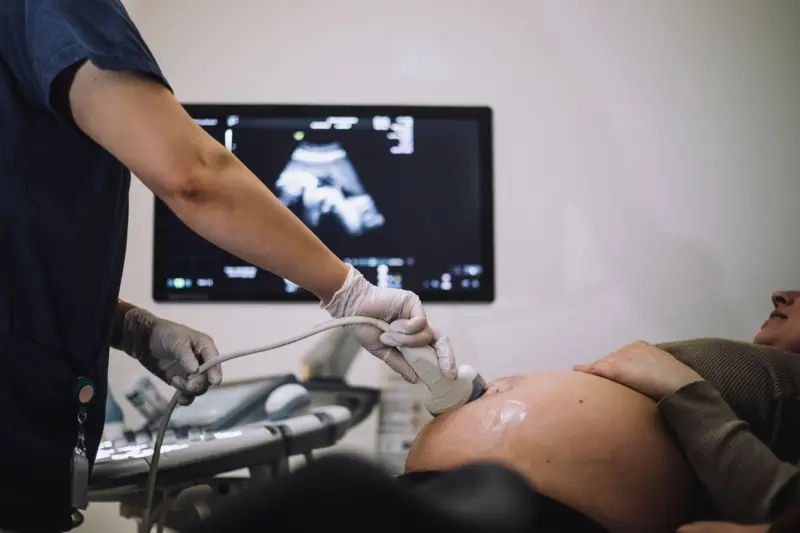
Preeclampsia is one of the most dangerous yet underdiagnosed conditions that can occur during pregnancy. Characterized by high blood pressure and signs of organ dysfunction, it affects both maternal and fetal health. According to the World Health Organization (WHO), preeclampsia complicates 2–8% of pregnancies globally, accounting for tens of thousands of deaths each year among mothers and newborns.
Despite medical advances, preeclampsia remains a mystery in many aspects — its precise cause is not fully understood, and there is no definitive cure other than delivering the baby. Early detection, lifestyle modifications, and close medical supervision remain the strongest tools to protect maternal health.
What Is Preeclampsia?
Preeclampsia is a pregnancy-specific disorder that typically appears after the 20th week of gestation. It is diagnosed when a pregnant woman develops high blood pressure (≥140/90 mmHg) and protein in the urine (proteinuria), or evidence of organ dysfunction such as liver or kidney involvement.
This condition can range from mild to severe and, if not managed properly, can progress to eclampsia, a life-threatening state involving seizures, organ failure, or even death.
Global Impact and Statistics
According to WHO and other global health organizations:
Preeclampsia affects 2–8% of pregnancies worldwide.
Each year, approximately 46,000 women and 50,000 babies die from complications linked to this disorder.
In developing regions of Asia and Africa, preeclampsia accounts for nearly 10% of maternal deaths.
Early diagnosis and regular antenatal care can reduce maternal and neonatal mortality by more than 60%.
Causes and Risk Factors
Although the exact cause of preeclampsia remains unclear, several biological, environmental, and genetic factors are believed to play a role.
1. Placental Dysfunction
The most widely accepted theory suggests that preeclampsia begins in the placenta, the organ responsible for nourishing the fetus. Abnormal placental blood vessel development leads to restricted blood flow, causing the release of toxic factors into the mother’s bloodstream.
2. Nutritional Deficiencies
Lack of folic acid, calcium, and magnesium in the maternal diet is associated with a higher risk. These nutrients are essential for vascular health and placental development.
3. Immune and Genetic Factors
A mismatch between the maternal immune system and the paternal genetic material in the fetus can lead to immune reactions that damage placental tissues.
4. Lifestyle and Pre-existing Conditions
Women who are overweight, have chronic hypertension, diabetes, kidney disease, or autoimmune disorders (like lupus) are at greater risk.
Additionally, stress, lack of sleep, and sedentary lifestyle may exacerbate these conditions.
Who Is at Higher Risk?
You are more likely to develop preeclampsia if you:
Are pregnant for the first time (primigravida).
Are under 20 or over 35 years old.
Have multiple pregnancies (twins or triplets).
Have a family history of preeclampsia.
Have obesity or insulin resistance.
Conceive with a new partner (as immune adaptation restarts).
Symptoms of Preeclampsia
The early stages may appear asymptomatic, but as the condition progresses, several warning signs can emerge:
Persistent headache and dizziness
Blurry vision or temporary vision loss
Swelling in hands, face, or feet
Rapid weight gain in a short period
Abdominal pain, especially under the ribs
Nausea or vomiting
Reduced urine output or dark urine
Shortness of breath due to fluid in lungs
⚠️ Note: Any of these symptoms in pregnancy warrant immediate medical attention.
How Preeclampsia Affects Mother and Baby
For the Mother:
Untreated preeclampsia can lead to serious complications:
Eclampsia (seizures)
HELLP Syndrome (Hemolysis, Elevated Liver enzymes, Low Platelets)
Kidney and liver failure
Placental abruption (premature detachment of the placenta)
Stroke or cardiac arrest
For the Baby:
Due to reduced blood flow from the placenta, the baby may experience:
Intrauterine Growth Restriction (IUGR)
Low birth weight
Premature delivery
Stillbirth in severe cases
Diagnosis
1. Blood Pressure Monitoring
A reading of ≥140/90 mmHg on two separate occasions at least four hours apart after 20 weeks of pregnancy is considered a red flag.
2. Urine Protein Test
Presence of proteinuria (≥300 mg/24 hours) confirms kidney involvement.
3. Blood Tests
To assess liver enzymes, kidney function, and platelet count. Elevated ALT, AST, or low platelet count may indicate severity.
4. Ultrasound and Fetal Monitoring
Used to evaluate fetal growth, placental blood flow, and amniotic fluid volume.
Management and Treatment
While there is no complete cure for preeclampsia, timely medical management can reduce its impact.
Mild Preeclampsia
Regular prenatal checkups and blood pressure monitoring.
Rest and reduced physical stress.
Nutritional supplements like calcium, folic acid, and iron.
Low-sodium diet and hydration.
Severe Preeclampsia
Hospitalization for close monitoring.
Antihypertensive medications (like labetalol, nifedipine, or methyldopa).
Corticosteroids to speed up fetal lung development if early delivery is expected.
Magnesium sulfate to prevent seizures.
Emergency delivery if the condition worsens.
Preventive Strategies
While prevention is not always possible, risk minimization can help:
Maintain a healthy weight before and during pregnancy.
Ensure adequate calcium and folic acid intake.
Engage in light physical activity and stress reduction.
Avoid excessive salt and processed foods.
Attend regular antenatal visits for early detection.
According to obstetricians, women at high risk may benefit from low-dose aspirin (75–150 mg daily) after consulting their doctor.
The Role of Healthcare Systems
Preeclampsia’s outcomes depend heavily on healthcare accessibility. In rural or low-resource settings, delayed diagnosis often leads to preventable deaths.
Public health initiatives such as routine prenatal screening, community awareness, and emergency obstetric care are crucial in lowering the global burden of maternal mortality.
Recent Research and Future Prospects
Emerging research focuses on biomarkers like sFlt-1 and PlGF for early detection.
Gene studies suggest that variations in maternal-fetal immune response and vascular development genes may predict susceptibility.
Artificial intelligence (AI)-based predictive models are being tested to identify women at risk long before symptoms appear.
Conclusion
Preeclampsia remains one of the most complex and dangerous conditions of pregnancy — a silent but preventable killer.
With education, early diagnosis, nutrition, and continuous medical supervision, thousands of lives can be saved every year.
Healthcare professionals and expectant mothers must work together to monitor health parameters and act early — because awareness is the strongest defense.














Responses (0 )