


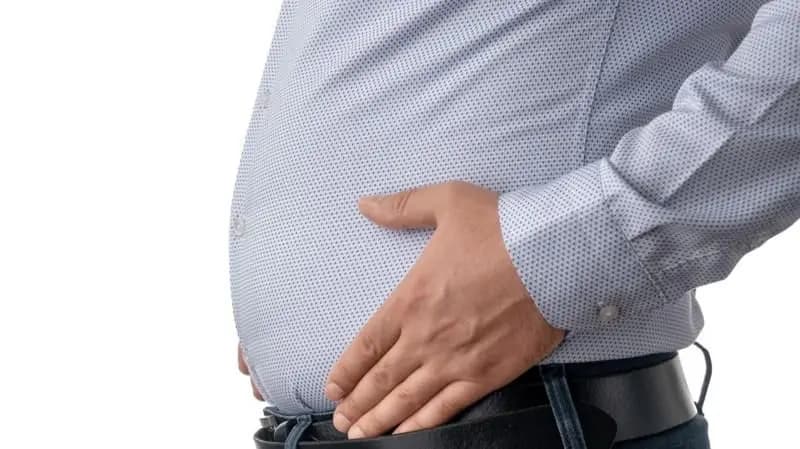
Introduction: The Silent Threat Growing Inside Your Body
Your liver is one of the most hardworking organs in your body — it processes nutrients, detoxifies chemicals, and produces vital proteins. But what happens when fat slowly builds up inside it?
That’s what doctors call Fatty Liver Disease, and it’s silently becoming one of the biggest health threats worldwide, especially in India.
A small amount of fat in the liver is normal. But when fat makes up more than 10% of the liver’s weight, it becomes a medical concern. This excess fat can trigger inflammation, scarring, and in severe cases, liver failure.
What Is Fatty Liver Disease?
Fatty liver disease (FLD) occurs when fat accumulates in liver cells (hepatocytes). It’s mainly of two types:
-
Alcoholic Fatty Liver Disease (AFLD) – caused by excessive alcohol consumption.
-
Non-Alcoholic Fatty Liver Disease (NAFLD) – develops in people who drink little or no alcohol.
NAFLD has become alarmingly common due to poor diet, obesity, diabetes, and lack of exercise.
Understanding the Stages of Fatty Liver Disease
Fatty liver doesn’t develop overnight. It progresses through several stages:
1. Grade 1 – Mild Fatty Liver
-
About 30–33% of liver cells contain fat.
-
Usually has no visible symptoms.
-
It’s reversible with healthy diet and regular exercise.
2. Grade 2 – Moderate Fatty Liver
-
Around 34–66% of liver cells are filled with fat.
-
Symptoms may include fatigue, heaviness in the upper abdomen, or mild pain.
-
If untreated, it can progress to more severe stages.
3. Grade 3 – Severe Fatty Liver
-
Over 66% of liver tissue is affected.
-
May lead to inflammation (steatohepatitis), fibrosis (scarring), and eventually cirrhosis — permanent liver damage.
Why Does Fatty Liver Happen?
According to Dr. Piyush Ranjan, Vice Chairman of the Institute of Liver, Gastroenterology and Pancreatico-Biliary Sciences at Sir Ganga Ram Hospital, New Delhi, the condition has two major origins:
-
Alcoholic Fatty Liver Disease (caused by alcohol)
-
Non-Alcoholic Fatty Liver Disease (caused by metabolic disorders)
In NAFLD, the main culprits include:
-
Obesity and belly fat
-
Type 2 diabetes
-
High cholesterol and triglycerides
-
Hypothyroidism
-
Sedentary lifestyle (lack of exercise)
-
Processed food and high sugar intake
How Fatty Liver Affects the Body
When fat builds up in the liver, it affects how your body processes insulin — leading to insulin resistance, which increases the risk of diabetes.
Over time, the inflamed liver tissue begins to harden, and scars (fibrosis) form. When this becomes widespread, it leads to liver cirrhosis, where the organ loses its ability to function.
Symptoms of Fatty Liver Disease
In the early stages, fatty liver rarely shows symptoms. But as the condition worsens, you may notice:
-
Fatigue or low energy
-
Mild abdominal pain or discomfort (especially on the right side)
-
Unexplained weight loss
-
Loss of appetite
-
Yellowing of the skin or eyes (in advanced cases)
-
Swelling in legs or abdomen (due to cirrhosis)
Risk Factors You Shouldn’t Ignore
-
Overweight or obesity (especially central obesity)
-
Type 2 diabetes
-
High blood pressure
-
High cholesterol or triglycerides
-
Rapid weight loss
-
Poor sleep and stress
-
Lack of physical activity
-
Regular consumption of sugary beverages and junk food
How to Diagnose Fatty Liver
Doctors may recommend these tests to confirm fatty liver and its severity:
-
Liver Function Tests (LFTs): Measures enzyme levels.
-
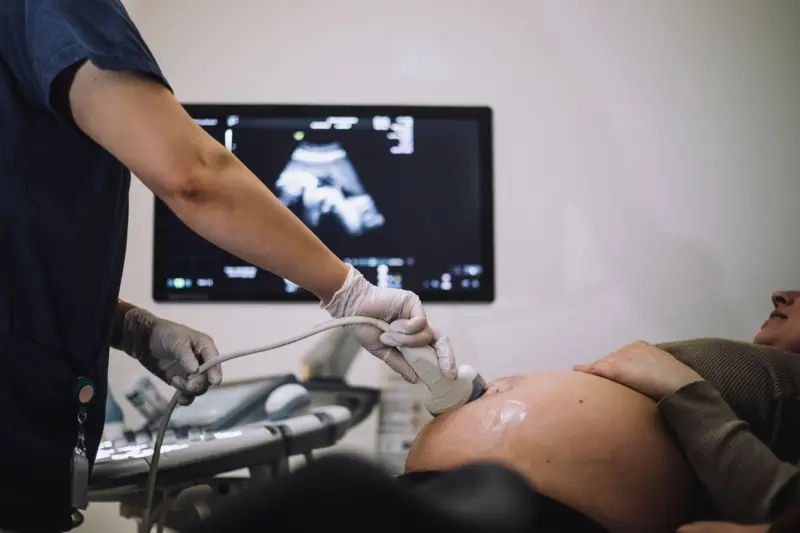
Ultrasound: Detects fat accumulation in the liver.
-
FibroScan / Elastography: Checks liver stiffness to detect fibrosis.
-
CT or MRI: Advanced imaging for detailed structure.
-
Liver Biopsy: Used in serious cases to confirm cirrhosis.
Diet: What to Eat and What to Avoid
Foods to Avoid
-
Sugary foods: candies, biscuits, soft drinks, packaged juices.
-
Fried or processed food: burgers, chips, doughnuts, fried chicken.
-
Refined carbs: white bread, white rice, pasta.
-
Excess salt: high-sodium packaged foods.
-
Alcohol and sugary cocktails.
Healthy Foods to Include
-
Leafy green vegetables (rich in polyphenols and nitrates).
-
Whole grains: oats, brown rice, millets.
-
Lean protein: lentils, beans, eggs, tofu.
-
Omega-3-rich fish: salmon, mackerel, sardines.
-
Fiber-rich fruits: apples, berries, papaya.
-
Black coffee (in moderation) – helps reduce liver fat.
Tip: Eat a large, nutritious breakfast, a moderate lunch, and a light dinner before 7 PM.
Exercise: Your Best Natural Medicine
Physical activity is one of the most effective ways to control and even reverse fatty liver.
-
150 minutes per week of moderate-intensity exercise (brisk walking, cycling, or swimming)
-
Strength training twice a week (weightlifting or resistance bands)
Exercise improves insulin sensitivity, burns excess fat, and reduces liver inflammation.
Can Fatty Liver Be Reversed?
Yes — the early stages (Grade 1 and 2) of fatty liver can be completely reversed with lifestyle changes:
✅ Lose 5–10% of body weight gradually.
✅ Exercise regularly.
✅ Eat a clean, fiber-rich diet.
✅ Control blood sugar and cholesterol levels.
✅ Avoid alcohol and processed foods.
In advanced cases (Grade 3 or cirrhosis), medical intervention is needed.
Medical Treatment Options
There is no specific “fatty liver medicine,” but doctors recommend:
-
Vitamin E supplements (for non-diabetics)
-
Insulin sensitizers (for diabetics)
-
Statins (to control cholesterol)
-
Weight management medications
-
Antioxidant therapy to protect liver cells
Always consult a hepatologist before starting medication.
Lifestyle Tips to Keep Your Liver Healthy
-
Stay hydrated: Drink at least 8–10 glasses of water daily.
-
Get enough sleep: Poor sleep affects metabolism.
-
Avoid unnecessary medications: Overuse of painkillers can harm the liver.
-
Reduce stress: Chronic stress increases fat accumulation.
-
Avoid crash diets: Rapid weight loss can worsen liver inflammation.
India’s Growing Fatty Liver Crisis
In India, experts estimate that over 35% of adults suffer from fatty liver.
Poor diet, sedentary jobs, and lack of awareness make this condition more dangerous.
Doctors warn that by 2030, fatty liver could overtake alcohol-related diseases as the leading cause of liver failure in the country.
How to Prevent Fatty Liver Naturally
-
Maintain a healthy BMI (18.5–24.9).
-
Replace sugar drinks with lemon water or buttermilk.
-
Eat small, balanced meals throughout the day.
-
Include turmeric, garlic, and green tea in your diet.
-
Schedule regular liver checkups after age 35.
Key Takeaway
Fatty liver disease doesn’t happen overnight — it’s the result of small daily choices.
If you stay active, eat clean, and limit sugar and alcohol, you can easily keep your liver healthy.
Remember:
“A healthy liver means a healthy life — protect it before it’s too late.”









Responses (0 )