


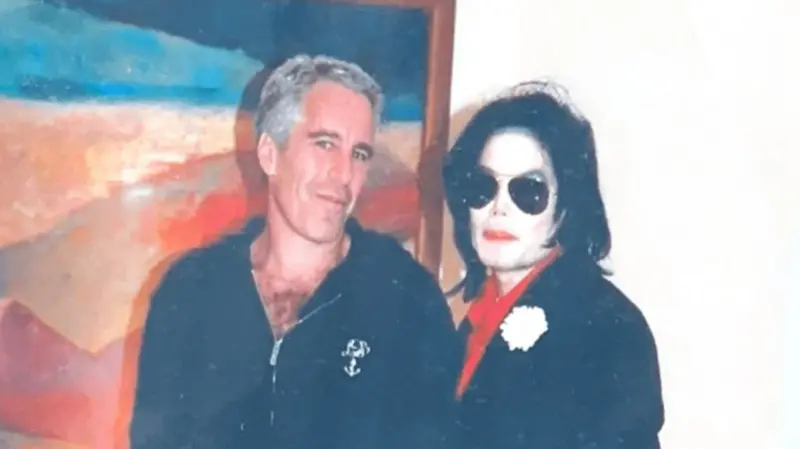
In December 2025, the United States Department of Justice (DOJ) released the first batch of long-awaited documents related to disgraced financier Jeffrey Epstein, reigniting global debate around one of the most controversial criminal cases of recent decades.
The release follows a law passed by the US Congress, requiring the government to make Epstein-related records public by December 19. While thousands of pages have now been disclosed, officials confirmed that millions of additional pages remain unreleased, many of them heavily redacted.
Why the Epstein Files Matter
Jeffrey Epstein, who died in jail in 2019 while awaiting trial on federal sex trafficking charges, was accused of abusing dozens of underage girls over many years. His wealth and connections allowed him access to politicians, royalty, celebrities, and business leaders, raising long-standing questions about who knew what—and when.
The newly released files include:
Court records
Investigation reports
Photographs
Witness statements
However, authorities stress that appearing in the files or photographs does not mean a person committed a crime.
Why Many Files Are Redacted
The DOJ confirmed that:
Victim identities have been protected by law
Active criminal investigations remain confidential
Over 1,200 victims or relatives could be identified if full details were released
Some grand jury documents—more than 100 pages—were completely blacked out. Officials say this is necessary to protect victims and ensure due process, though lawmakers from both parties have expressed frustration over the lack of transparency.
Prominent Names Mentioned in the Epstein Files
Bill Clinton
Several newly released photographs show former US President Bill Clinton:
Swimming in a pool
Relaxing in a hot tub
These images date back to the 1990s and early 2000s, before Epstein’s arrest.
Importantly:
No Epstein victim has accused Clinton of wrongdoing
Clinton has consistently stated he had no knowledge of Epstein’s crimes
His spokesperson emphasized that the photos are decades old and do not suggest criminal behavior.
Donald Trump
Court documents reference an allegation that Epstein introduced Trump to a 14-year-old girl at Trump’s Mar-a-Lago resort in the 1990s.
Key clarifications:
The accuser did not accuse Trump of assault
No criminal complaint was filed against him
Trump has repeatedly denied involvement in Epstein’s crimes
The files contain very limited references to Trump overall.
Prince Andrew (Andrew Mountbatten-Windsor)
One photograph shows Prince Andrew reclining while Ghislaine Maxwell stands nearby. Epstein does not appear in the image.
Prince Andrew has:
Long faced public scrutiny due to his association with Epstein
Repeatedly denied any wrongdoing
Never been charged with a crime related to Epstein
Celebrities Named or Photographed
The files include photographs or references involving several global celebrities, including:
Michael Jackson
Mick Jagger
Diana Ross
Chris Tucker
In these cases:
It is unclear when or where the photos were taken
There is no evidence that Epstein committed crimes with them present
None of these individuals have been charged or accused by victims in the files
Authorities emphasize that Epstein often attended public events and social gatherings, making casual associations misleading.
Testimony of Early Whistleblowers
One of the most significant revelations involves Maria Farmer, one of Epstein’s earliest accusers.
According to the files:
She reported Epstein to the FBI in 1996
She alleged that Epstein stole and sold photos of her underage sisters
She claimed Epstein threatened to burn down her home if she spoke out
Nearly 30 years later, Farmer said the release of these documents finally feels like a step toward justice.
Political Fallout and Transparency Debate
The partial release has sparked intense political backlash:
Democratic lawmakers argue the DOJ violated the law by delaying full disclosure
Republican Congressman Thomas Massie called the process a “serious breach” of transparency
Some Democrats accused the administration of protecting powerful figures
Meanwhile, the White House maintains that this is “the most transparent administration in history” and insists victim protection must come first.
What Has Been Confirmed So Far
After reviewing the released Epstein files, key takeaways include:
Much of the information was already partially known
Many documents remain heavily redacted
No new criminal charges have been announced
Presence in photos or documents does not imply guilt
Millions of pages are still under review
The DOJ has confirmed that additional disclosures are expected in the coming weeks, though no firm timeline has been given.
Conclusion
The Epstein files have once again exposed the uncomfortable reality of how power, wealth, and secrecy can intersect. While the documents mention some of the world’s most famous names, they also underline a critical truth: association is not evidence of guilt.
For survivors, the slow release of information is painful—but for many, it represents long-overdue acknowledgment. As more files are reviewed and possibly released, the world continues to watch, searching for accountability, transparency, and justice.









Responses (0 )