


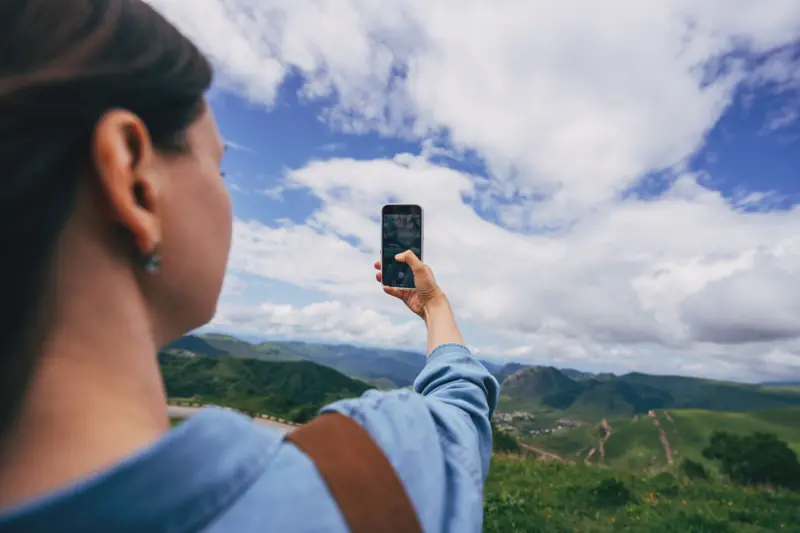
Social media has become an inseparable part of modern travel. From posting selfies at famous landmarks to sharing memes, reels, and opinions, travelers document almost every moment online. But what many people don’t realize is that what you post on social media today could affect your ability to travel abroad in the future.
Governments around the world are increasingly monitoring travelers’ digital footprints, and controversial or offensive online content can now lead to visa rejection, denial of entry, deportation, or even legal trouble.
Governments Are Watching Social Media More Closely Than Ever
In a major announcement made recently, the United States government revealed plans to expand social media screening for travelers entering the country under the Visa Waiver Program (ESTA).
Under the proposed rule:
Travelers from visa-free countries may have their social media posts from the past five years reviewed
They may also be required to disclose email addresses used over the last 10 years
The rule is expected to come into effect on February 8, 2026
Although the final details are still being debated, this move reflects a broader global trend: border security is going digital.
Can a Meme or Post Really Get You Stopped at the Border?
Yes—there have already been such cases.
Earlier this year, a tourist from Norway claimed he was denied entry into the US after officials found a meme about US Vice President JD Vance on his phone. While US Customs and Border Protection (CBP) later stated that the denial was due to admitted drug use, the incident highlighted a growing fear among travelers: your phone and online activity can be searched at borders.
CBP has clarified that checking electronic devices is now considered a routine part of determining a traveler’s intent to enter the country.
Limited Rights at the Border
Legal experts warn that travelers entering countries under visa-free programs often have fewer legal protections.
According to Professor Donald Rothwell from the Australian National University:
Border officials have broad discretion
Travelers may be denied entry if they fail to comply with requests
Decisions made by border authorities are often difficult to challenge legally
This means a questionable post, comment, or image—even taken out of context—could potentially cause problems.
Digital Border Checks Are a Global Trend
The United States is not alone. Many countries are increasing digital surveillance of travelers:
New Zealand allows border officials to inspect travelers’ phones and devices, with heavy fines for refusal
United Arab Emirates (UAE) can detain foreign nationals for posting or reposting defamatory content
In one case, an Irish citizen faced trouble in the UAE after posting a negative online review of a former employer
Even after entering a country, your online activity can still affect your stay.
Travel Content, Cultural Sensitivity, and Social Media Risks
The explosion of travel influencers and content creators has increased the risk of misunderstandings.
Surveys show:
More than half of travelers cannot imagine a holiday without taking photos
Many post 7 or more photos per week
Some admit they would take serious risks just to capture the “perfect shot”
The problem is that many photos and videos are taken without understanding local laws or cultural norms.
When Social Media Posts Cross Cultural Lines
In 2022, a Russian influencer and her partner were deported from Bali after posting nude photos under a sacred tree. Local leaders called for action, saying the act disrespected religious beliefs.
Other examples include:
Posting alcohol-related photos in countries where it is restricted
Taking selfies at religious sites in inappropriate poses
Wearing sacred clothing incorrectly or disrespectfully
In Thailand, for example, even posting photos that promote alcohol consumption on social media can result in fines.
How Misunderstandings Can Escalate Online
Travel writer and speaker Sucheta Rawal shared her experience of how a single travel post taken out of context led to online backlash during a trip to Africa.
She explains that:
Even well-intended posts can be misunderstood
Cultural ignorance often appears as insensitivity online
Once content is shared, control is lost
In today’s digital age, any post—public or private—can be screenshotted, shared, or misinterpreted.
High-Context vs Low-Context Cultures
Cultural experts explain that countries like Japan and many Asian and Middle Eastern nations are high-context societies, where:
Body language, symbols, and indirect communication matter more than words
Certain gestures or poses can be deeply offensive
Travelers from low-context cultures, where direct speech is common, may unintentionally offend locals through photos, emojis, or captions.
Even a harmless emoji or symbol can carry unintended meanings in another culture.
Should Travelers Stop Posting on Social Media?
The answer is no—but travelers must post more consciously.
Instead of chasing likes and algorithm trends:
Prioritize quality over quantity
Research local customs before posting
Observe how locals dress, behave, and communicate
Avoid turning people, traditions, or sacred places into “content”
Being respectful not only protects you from trouble but also makes travel more meaningful.
Final Thoughts: Think Before You Post
Social media can enhance travel experiences, but it also carries real-world consequences. As governments increasingly monitor digital behavior, your online presence has become part of your travel identity.
Before posting a meme, photo, or caption, ask yourself:
Could this be misunderstood?
Does it respect local culture and laws?
Would I be comfortable explaining this post to an immigration officer?
A little awareness today can save you from visa trouble, deportation, or legal issues tomorrow.







Responses (0 )