


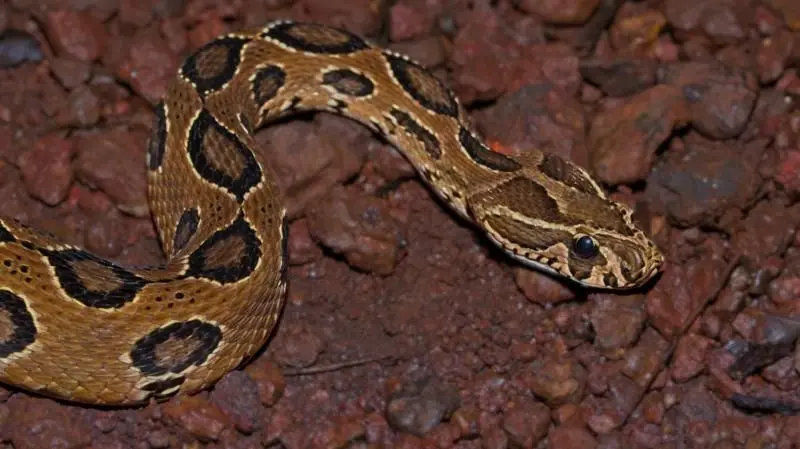
🐍 Introduction: Monsoon Brings Life—and Hidden Visitors
The monsoon season in India and the neighboring subcontinent is one of the most awaited times of the year. After months of scorching heat, the rain revives nature—trees bloom, rivers fill, and greenery returns. Yet, along with this rejuvenation comes an increase in encounters with wildlife, particularly snakes.
From June to September, social media and local news reports often highlight incidents of snakes entering residential areas, offices, or even vehicles. While most people panic, experts say this phenomenon is both natural and preventable.
This blog explores in detail why snakes come indoors during the monsoon, what attracts them, and what you can do to stay safe—without harming these essential creatures of our ecosystem.
Section 1: Understanding the Snake–Monsoon Connection
1.1 Why Snakes Are More Active During the Rainy Season
Dr. A. Thanigaivel, a researcher at the Ashoka Foundation for Environmental Research, explains that monsoon is a biologically active season for many species. Frogs, insects, worms, and other small creatures breed during this time, providing an abundance of food for snakes.
“Once the rains begin, life flourishes,” he says. “Snakes become active because their prey is abundant. The rainy season is also their breeding period.”
In short, rain = food + shelter + breeding opportunities, making it the perfect time for snakes to move around.
1.2 How the Weather Affects Snake Behavior
Snakes are ectothermic, or cold-blooded, meaning they rely on external temperatures to regulate body heat. When the rains start, underground burrows or natural hiding spots get flooded. Seeking warmth and dryness, snakes naturally move toward stable, dry shelters—which often happen to be human homes, store rooms, or sheds.
Dr. Thanigaivel adds, “Just as snakes look for cool and moist places in summer, they seek warmth and dryness during monsoon and winter. Houses offer exactly that balance.”
Thus, a snake entering your house doesn’t mean it’s “targeting” you; it’s merely looking for survival space.
1.3 The Urban Habitat Problem
Urbanization has dramatically reduced natural snake habitats. Cities like Chennai, Pune, and Bengaluru have seen explosive construction that eliminates the open soil and undergrowth snakes rely on.
“When the entire neighborhood is concrete,” says Dr. Thanigaivel, “snakes have nowhere else to go but into human structures. Once the weather stabilizes, they usually move back to natural habitats.”
In essence, our expanding cities are pushing snakes closer to humans.
Section 2: Snakebites and Statistics — Why Awareness Matters
2.1 The Rising Toll of Snakebites
A 2020 study examining data from 2000–2019 revealed that over 1.2 million people in India died from snakebites in those two decades. Shockingly, half of those deaths occurred during monsoon months.
This means nearly 600,000 deaths happened between June and December, the period when snakes are most active.
In rural India, the numbers are more alarming: in some regions, one in every 100 people faces a lifetime risk of dying from snakebite before age 70.
2.2 Why Rural Areas Are at Higher Risk
The majority of these incidents occur inside mud houses, farmlands, or villages where people sleep close to the ground, walk barefoot, or store grain outdoors—ideal environments for rodents, which attract snakes.
However, as Dr. Thanigaivel stresses, “Snakes don’t attack humans unless provoked. Most bites happen accidentally—when someone steps on or disturbs a snake without realizing it.”
2.3 The Fear Factor
Humans naturally fear snakes. This fear is ancient, possibly evolutionary. But excessive fear often leads to panic killings, even when the snake is harmless. Experts estimate that more than 70% of snakes killed in India are non-venomous.
Instead of reacting violently, the safest and most humane response is to call the local forest department or certified snake rescuers. These trained professionals can safely capture and relocate snakes without injury to either side.
Section 3: How Snakes Enter Homes — Common Pathways
3.1 Invisible Entry Points
According to herpetologist Rameshwaran, author of Snakes Widely Found in Tamil Nadu, snakes are incredibly agile and can use tiny openings to enter homes.
They may slither through:
-
Cracks under doors and windows
-
Gaps around plumbing or drainage pipes
-
Roof openings and eaves
-
Vines, ropes, or wires touching the house
-
Tree branches leaning onto roofs or balconies
-
Wall crevices and small burrows
If a snake can fit its head through a gap, it can usually pass through the rest of its body as well.
3.2 Why They Choose Your House
Rameshwaran explains, “Snakes look for quiet, secure, and warm places. If your home or yard consistently provides that—like stacked firewood, overgrown shrubs, or trash—they may return.”
Also, areas with rodents or frogs attract snakes naturally. The best prevention, therefore, begins with eliminating their food sources.
3.3 When Snakes Enter by Accident
Sometimes snakes accidentally fall from rooftops, climb drainage pipes, or crawl through wet garden patches while escaping heavy rain. These cases are unintentional entries, not invasions.
The key is to respond calmly, not violently.
Section 4: Preventing Snakes from Entering Your Home
4.1 Keep the Surroundings Clean
Snakes avoid open, clean spaces. A cluttered yard with garbage, dense weeds, or standing water offers them hiding spots and prey.
-
Remove all debris and junk near your house.
-
Cut tall grass and clear bushes regularly.
-
Drain stagnant water from pots, gutters, or pits.
4.2 Seal Entry Points
-
Fill cracks in walls, floors, and foundations.
-
Close all unused drainage holes and seal around plumbing.
-
Install door sweeps and mesh screens on windows.
-
Repair broken tiles and roof gaps immediately.
4.3 Control Rodents and Frogs
Since these are a snake’s main food sources, controlling them keeps snakes away.
-
Store food grains in sealed containers.
-
Keep livestock feed covered.
-
Remove standing water that attracts frogs.
4.4 Maintain Garden Hygiene
Avoid stacking wood or stones near your house. If you must store them, keep the pile raised and away from walls. Trim branches that hang near windows.
4.5 Night Safety
Many snakes are nocturnal.
-
Avoid walking barefoot outside after dark.
-
Use a flashlight when moving around at night.
-
Keep outdoor lighting functional to deter small prey animals.
Section 5: What to Do if a Snake Enters Your Home
-
Stay Calm: Don’t shout or panic. Sudden movement can startle the snake.
-
Keep Distance: Maintain at least 10 feet.
-
Don’t Try to Catch or Kill It: This is both dangerous and often illegal.
-
Isolate the Area: Close doors to trap the snake in one room.
-
Call Authorities: Contact local forest officials, NGOs, or registered snake rescuers.
In many Indian cities, wildlife rescue teams respond 24×7 to snake calls.
Remember: Most snakes are harmless, and they usually retreat once given a safe exit.
Section 6: Myths and Facts About Snakes
|
Myth |
Reality |
|---|---|
|
All snakes are venomous. |
Only about 15% of Indian snake species are venomous. |
|
Killing a snake prevents others from entering. |
False. It may attract scavengers or even other snakes. |
|
Pouring kerosene or phenyl keeps snakes away. |
Dangerous and ineffective. May harm pets and environment. |
|
Snakes chase humans. |
They do not. They strike only when threatened or cornered. |
Breaking myths is essential for coexistence and conservation.
Section 7: The Importance of Awareness and Conservation
Snakes play a crucial ecological role as rodent controllers. Without them, rat populations would explode, leading to crop loss and disease spread.
Herpetologist Rameshwaran emphasizes, “If we want to prevent danger to both humans and snakes, we must conserve their natural environment. When snakes have safe habitats, they won’t need to enter ours.”
Simple awareness programs in schools and communities can drastically reduce snakebite deaths. Many NGOs now teach villagers how to identify venomous species and administer first aid correctly.
Section 8: What Not to Do During Snake Encounters
-
Don’t throw stones or sticks.
-
Don’t attempt to burn or flush out snakes.
-
Don’t follow social-media “remedies” (salt, kerosene, ash, etc.).
-
Don’t trap snakes in bags or buckets.
Instead, educate your neighbors and staff on calling the right people for help.
Section 9: Snakebite First Aid (Verified Guidelines)
-
Keep the victim calm. Panic spreads venom faster.
-
Immobilize the bitten limb. Use a cloth or splint to restrict movement.
-
Do not cut, suck, or tie the wound tightly. These methods worsen injury.
-
Take the victim to a hospital immediately. Antivenom is the only effective treatment.
-
If possible, note the snake’s color or pattern for medical reference—but do not attempt to catch it.
Section 10: Long-Term Steps for Communities
-
Establish local snake rescue networks.
-
Conduct awareness workshops before monsoon each year.
-
Encourage eco-friendly housing with sealed foundations and screened drains.
-
Promote habitat restoration—keeping green buffers between villages and wilderness.
By treating snakes as part of our shared environment, not as enemies, we can reduce conflict and save lives.









Responses (0 )