


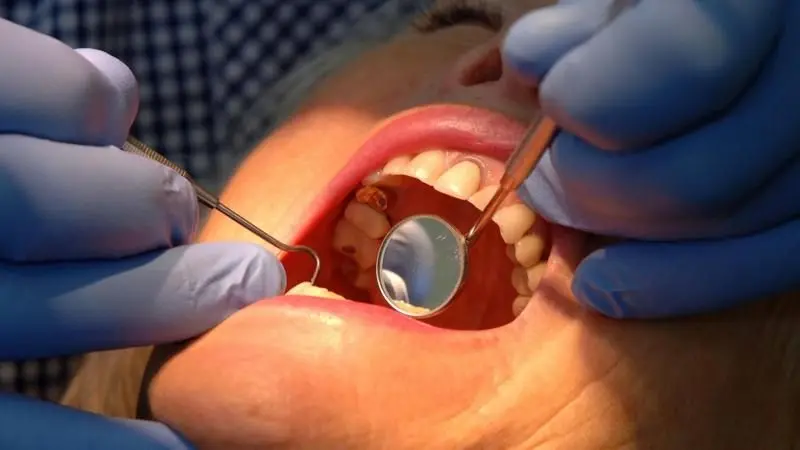
Tooth enamel degradation, a leading cause of dental caries and hypersensitivity, remains an irreversible process in modern dentistry. Despite advances in preventive and restorative materials, no current treatment can biologically regenerate natural enamel. Recent research from the University of Nottingham presents a promising biomaterial-based solution—a protein-engineered gel capable of promoting enamel remineralization and new enamel-like layer formation. This article provides a detailed analysis of the enamel structure, mechanisms of degradation, the biochemical principles behind the new gel technology, and its potential to revolutionize dental treatment protocols. The findings suggest that this innovation could mark a paradigm shift in the management of enamel loss, offering preventive and regenerative benefits at the molecular level.
1. Introduction
Dental caries and enamel erosion are two of the most prevalent oral health challenges worldwide. The enamel, being the hardest biological tissue, forms the outermost protective layer of the tooth. Composed primarily of hydroxyapatite crystals (Ca₁₀(PO₄)₆(OH)₂), it serves as the first line of defense against mechanical forces, temperature changes, and chemical insults.
However, despite its strength, enamel has a fundamental biological limitation—it lacks regenerative capacity. Once enamel is lost through acid erosion, abrasion, or decay, it cannot naturally rebuild itself because the ameloblasts (cells responsible for enamel formation) are lost after tooth eruption.
The World Health Organization (WHO) estimates that nearly 3.7 billion people globally suffer from some form of oral disease, with enamel demineralization and caries representing a major portion of these cases. The current standard treatments—fluoride varnishes, remineralizing pastes, and resin-based restorations—are preventive or compensatory rather than regenerative.
This unmet clinical need has motivated researchers across the globe to develop biomimetic approaches to restore enamel structure and function. The University of Nottingham’s recent discovery of a peptide-based gel capable of promoting enamel-like mineral formation represents one of the most significant breakthroughs in dental biomaterials in recent decades.
2. Tooth Enamel: Structure and Function
Tooth enamel is composed of approximately 96% mineral (mainly hydroxyapatite), 3% water, and 1% organic components. Its high mineral content gives it hardness and durability, while its unique prism-like crystal structure provides resilience against mechanical stress.
Each enamel prism runs perpendicular to the dentin-enamel junction, forming a tightly packed crystalline arrangement that allows efficient load distribution during mastication. However, this same high degree of mineralization makes enamel highly susceptible to acid dissolution.
When exposed to dietary acids, bacterial byproducts, or erosive beverages, the enamel undergoes demineralization—a process where calcium (Ca²⁺) and phosphate (PO₄³⁻) ions are leached out from the surface. Over time, microdefects expand into visible pits or cavities (caries).
Once the enamel layer is breached, underlying dentin is exposed, leading to sensitivity, bacterial invasion, and further decay. Therefore, maintaining enamel integrity is critical for oral health and systemic well-being.
3. Mechanisms of Enamel Degradation
The process of enamel degradation can be divided into two main categories:
Chemical demineralization: Caused by acidic environments (pH < 5.5) due to bacterial metabolism (particularly Streptococcus mutans and Lactobacillus species) or acidic foods and beverages.
Mechanical wear: Arising from abrasion (brushing with hard bristles), attrition (tooth-to-tooth contact), or erosion (chemical dissolution without bacterial involvement).
During these processes, the enamel surface loses essential minerals, becoming porous and prone to microcracks. Without intervention, the damage progresses into dentin and pulp, often leading to pain, infection, or tooth loss.
Traditional fluoride therapies help by enhancing remineralization and forming fluorapatite, a slightly more acid-resistant mineral. However, these methods only provide partial recovery and cannot reconstruct enamel’s original hierarchical architecture.
4. Current Therapeutic Approaches and Limitations
Modern dentistry employs various preventive and restorative techniques, including:
Fluoride varnishes: Strengthen enamel by forming calcium fluoride layers, which act as mineral reservoirs.
Calcium phosphate pastes: Aim to replenish lost ions using amorphous calcium phosphate (ACP) or casein phosphopeptide (CPP-ACP) complexes.
Resin composites and glass ionomer cements: Mechanically restore lost structure but fail to replicate enamel’s biomechanical and optical properties.
Bioactive materials (e.g., bioactive glass): Induce surface mineralization but show limited integration with natural enamel.
The limitation common to all these methods is the lack of true biological regeneration. They provide structural replacement but do not induce natural enamel-like tissue formation.
5. The University of Nottingham Discovery
A multidisciplinary research team from the University of Nottingham’s School of Pharmacy and Department of Chemical and Environmental Engineering has developed an innovative protein-based gel that can both repair and regenerate enamel.
The gel mimics the natural process of enamel development in infants, during which amelogenin proteins guide the organized crystallization of calcium and phosphate ions into hydroxyapatite structures.
The Nottingham gel utilizes engineered peptides that replicate this biological guidance system. When applied to a demineralized enamel surface, the gel interacts with saliva’s natural ionic components—particularly calcium and phosphate ions—to initiate crystal nucleation and growth.
Over a two-week period, experiments demonstrated that this gel restored the enamel’s hardness and smoothness to near-original levels. Microscopic imaging confirmed the formation of a new enamel-like layer integrated seamlessly with the existing tooth surface.
6. Methodology of the Research
The research was conducted using an interdisciplinary model combining biochemical synthesis, surface engineering, and microscopy-based analysis.
Sample Preparation: Extracted human enamel samples were artificially demineralized using acidic solutions to simulate caries-like lesions.
Gel Application: A peptide-infused hydrogel was applied to the affected surfaces under controlled pH and temperature.
Ionic Activation: The samples were immersed in artificial saliva containing calcium and phosphate ions to simulate the oral environment.
Observation and Analysis: Over several days, samples were analyzed using Scanning Electron Microscopy (SEM), Atomic Force Microscopy (AFM), and X-ray diffraction to monitor mineral deposition and crystal growth.
The results indicated significant re-mineralization and formation of hydroxyapatite nanocrystals organized in the same orientation as natural enamel prisms. The mechanical hardness and elastic modulus of the regenerated layer closely matched those of healthy enamel.
7. Discussion: Biochemical and Clinical Implications
This study marks a revolutionary step in biomimetic dentistry. Unlike conventional restorative materials, this gel acts as a bioactive scaffold—triggering natural mineralization rather than providing artificial coverage.
Its biochemical mechanism is based on the principle of self-assembly, where peptide chains align to create nanostructures capable of guiding mineral deposition. This mimics the function of natural amelogenin proteins during tooth development.
Moreover, since the process relies on salivary ions, it can theoretically work within the oral cavity under minimally invasive conditions—making it suitable for chairside or even at-home treatments in the future.
Clinically, this innovation holds promise for treating:
Early-stage enamel erosion
Hypersensitivity due to exposed dentinal tubules
Post-bleaching enamel damage
Preventive sealing of vulnerable tooth surfaces
It could also reduce dependence on mechanical drilling and synthetic restorations, aligning with the global shift toward regenerative and minimally invasive dentistry.
8. Expert Opinions
Professor Álvaro Mata, head of the Biomedical Engineering and Biomaterials Group at the University of Nottingham and lead investigator, stated:
“This new biomaterial can be easily applied and shows rapid mineralization. We are excited because the technology was developed with both clinicians and patients in mind. The first product prototype is expected next year, and we hope it will soon benefit dental patients worldwide.”
Professor Paul Hatton from the University of Sheffield’s School of Clinical Dentistry, a biomaterials expert not involved in the study, added:
“Creating natural enamel through synthetic pathways has been a long-standing challenge in dentistry. This research appears to have achieved a major milestone by demonstrating true biomimetic regeneration.”
These expert insights underscore the transformative potential of this discovery.
9. Comparison with Previous Research
Previous enamel regeneration studies have explored several techniques:
Electrophoretic deposition of hydroxyapatite nanoparticles
Bioglass coatings releasing calcium and phosphate ions
Amelogenin-derived peptide matrices promoting mineralization
While these approaches achieved partial remineralization, they often suffered from poor adhesion, limited thickness, or unstable crystal orientation.
The Nottingham peptide-gel distinguishes itself by providing structural integration, uniform crystal growth, and molecular-level alignment similar to natural enamel.
Furthermore, it demonstrates biocompatibility, non-toxicity, and ease of application, making it highly adaptable for clinical translation.
10. Future Applications and Research Directions
The implications of this research extend beyond dentistry. Similar peptide-based biomaterials could be engineered for bone regeneration, bioceramic coatings, and tissue engineering scaffolds.
For dentistry specifically, future work will focus on:
Formulating gel variants for in vivo use
Conducting clinical trials on patients with enamel erosion
Developing delivery systems such as toothpaste or varnish applications
Investigating long-term durability and resistance to bacterial colonization
If successful, this technology could eliminate the need for drilling and filling in early caries cases, fundamentally changing preventive dentistry.
11. Global Health Impact
Considering the vast global burden of oral diseases, this innovation could make dental care more accessible and sustainable.
In many low-income countries, access to restorative materials and dental infrastructure is limited. A self-assembling gel that can regenerate enamel naturally could serve as a cost-effective, non-invasive, and widely distributable solution.
Moreover, reducing the need for frequent replacements of synthetic fillings would have environmental benefits, minimizing the use of resin-based plastics and dental waste.
12. Limitations and Challenges
While the findings are promising, several challenges remain:
In vivo validation: The oral environment is dynamic, influenced by saliva flow, pH changes, and mechanical stress. Laboratory results must be replicated in real-world conditions.
Longevity: The durability of regenerated enamel under long-term chewing and thermal cycling remains to be tested.
Regulatory approval: Extensive safety and efficacy evaluations will be required before commercial release.
Despite these hurdles, the progress achieved thus far provides a strong foundation for the development of next-generation dental biomaterials.
13. Conclusion
The University of Nottingham’s discovery represents a groundbreaking advancement in dental science—a transition from restorative to regenerative dentistry.
By harnessing the principles of biomimicry and protein engineering, this novel gel can guide the natural reformation of enamel, potentially preventing and even reversing early carious lesions.
If future clinical trials confirm its safety and efficacy, this innovation could redefine oral healthcare worldwide, offering millions a chance to preserve their natural teeth without invasive procedures.
The vision of “self-healing teeth,” once a distant dream, may soon become a clinical reality.
Tooth enamel regeneration, biomimetic dentistry, peptide-based gel, hydroxyapatite, enamel remineralization, University of Nottingham, enamel degradation, dental caries, regenerative dentistry, amelogenin mimicry.









Responses (0 )